


Ingredients:
200g Glass noodle (冬粉)- soak in water for 20 mins and drain
10 Large prawns – clean and devined
2 slices Bacon – cut into 2″ pieces
1/2 tbsp Black coarse pepper
1 tbsp Cooking oil
3 slices Ginger
3 slices Galangal (南姜)click here
3 Garlic – bashed
4 Coriander roots – lightly brush and clean
2 Cups Chicken broth
1/2 tbsp Thai fish sauce
1 tsp Sugar
1 tbsp Oyster sauce
1/2 tbsp Sesame oil
Combine chicken broth together with the sauces and set aside for later use.
1 tbsp Chinese cooking wine (花雕酒)
Some fresh celery and coriander leaves
Method:
- Line bacon at the bottom of the clay pot, add cooking oil. Place garlic, ginger, galangal and coriander roots in it. Arrange prawns on top, sprinkle the black coarse pepper on top. Cover and cook on top of stove until bacon is done and not crisp. (about 5 mins)
- Then pour the chicken stock and cooking wine, cover and simmer over medium heat for another 5 mins.
- Remove the prawns from clay pot when it is cooked.
- Add the drained glass noodle in clay pot and slightly stir, cover and continue simmer until stock almost absorbed by glass noodle and add in all the prawn again~stir well.
- To finish, remove from heat, top with coriander leaves and celery leaves and recover pot and serve immediately.


Glass noodles are type of transparent Asian noodle made from starch and water. They are generally sold in dried form and used in soups, stir fried or spring rolls.

Coriander leaves (or Chinese parsley) are an ingredients in many South Asian foods. Chopped coriander leaves are a garnish such as dal and curries. As heat diminishes their flavour quickly, coriander leaves are often used raw or added to the dish immediately before serving. click on pictures for a closer look
Coriander roots have a deeper, more intense flavour than the
leaves. They are used in a variety of Asian cuisines and are commonly used in Thai dishes. Information from Wiki
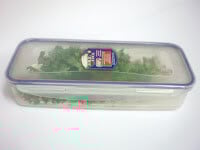
Kitchen note: Store fresh coriander leaves in a airtight container and put it in the chiller. The leaves remain fresh for days.
